
Search Website
QUICK LINKS:

Experiential Learning
At the Faculty of Health Sciences, learning extends beyond the classroom.
Experiential Learning
At the Faculty of Health Sciences, learning extends beyond the classroom.
Experiential Learning
At the Faculty of Health Sciences, learning extends beyond the classroom.
The Power of Experiential Learning
Placements, practicums, and internships provide opportunities to engage in hands-on experiences that prepare you for life after graduation. Through experiential learning, you will turn theory into practice, work with professionals in your field, and build the skills that employers are looking for.
986+
students placed
150+
employer partners
93,950+
work hours completed
Discover Our Experiential Learning Opportunities
The Faculty of Health Sciences offers experiential learning opportunities for students at every stage of their degree. Choose the options that align with your academic and professional goals, and achieve more than you ever thought possible.
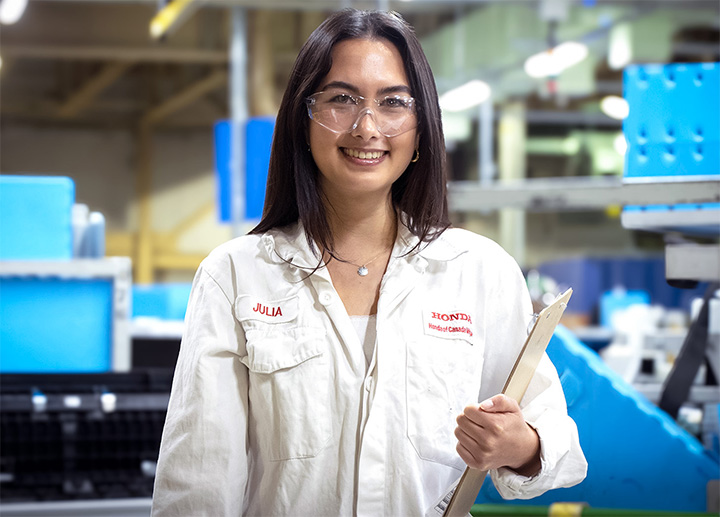
Internships
- Full-time, paid
- Options available for either 4-, 8-, 12-, or 16-month periods
- Taken during a break from coursework
- Open to Health Sciences students as early as the summer between second and third year
- Opportunities offered on 深夜福利站’s internal job board (深夜福利站 Connect) or students can find their own opportunity and connect with the FHS Experiential Learning Team to confirm its eligibility
Practicum and Experiential Learning Placements
- Open to students in their fourth year
- Unpaid, part-time placements (6 to 8 hours per week; 75 hours per term), taken with a full courseload
- Options available for half a term (fall/winter) (0.5 credit) or the entire academic year (1.0 credit)
- Opportunities align with coursework and let you apply your classroom learning at a local organization
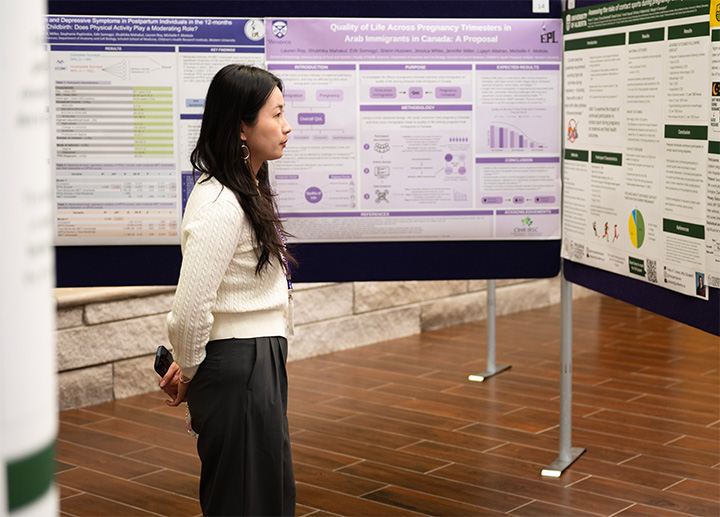
Research
- Research Project: an independent research project involving the proposal, collection and analysis of data, presentation of results, and a final written report
- Independent Study: work with a faculty member on a project of mutual interest and earn academic credit
- Undergraduate Summer Research Internships (USRI): engaged research experiences under the mentorship of a faculty member

International Opportunities
- Apply your knowledge in real-world contexts, develop cross-cultural competencies, and gain a deeper understanding of global issues
- Various opportunities exist for third- and fourth-year students
- Full-time and part-time, paid and unpaid
- Interested in international experiential learning opportunities or exchange? Visit
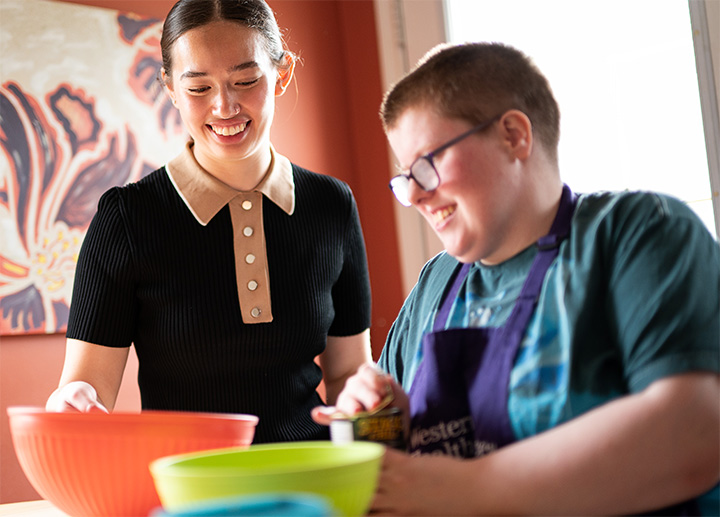
Community Engaged Learning (CEL)
- Participate in a capstone experience tied to coursework
- Partner with groups, individuals, and organizations in the London region and abroad to tackle important problems and issues

Entrepreneurship
- Explore a business idea, launch a startup, and access resources for your journey
Experiences That Shape Future Health Leaders
Health sciences grad develops nutrition app for people with developmental disabilities
Experiential learning leads to practical tool, community impact
Developed in collaboration with her placement partner, Daisy Chan built NourishWell as a tool that helps people with developmental disabilities transform their eating habits. Designed specifically for real group home environments, the app breaks down cooking into manageable, guided steps that gives users the autonomy and confidence to make healthy food choices.
Kinesiology student tackles fitness barriers for kids with autism and intellectual disabilities鈥��
Community placement with GoodLife Kids Foundation leads to tailored, evidence-based exercise guide
Connor Murphy set out to create the first Exercise Resource Circuit Guide, a tool that supports coaches with programming specifically tailored for youth with autism and intellectual disabilities. The guide introduces a series of science-backed movements to better support participants. Diving into research, and using the training principles learned throughout his bachelor of science in kinesiology, Murphy created a guide that would specifically support youth participants and their needs.鈥�
More Experiences in Action


